
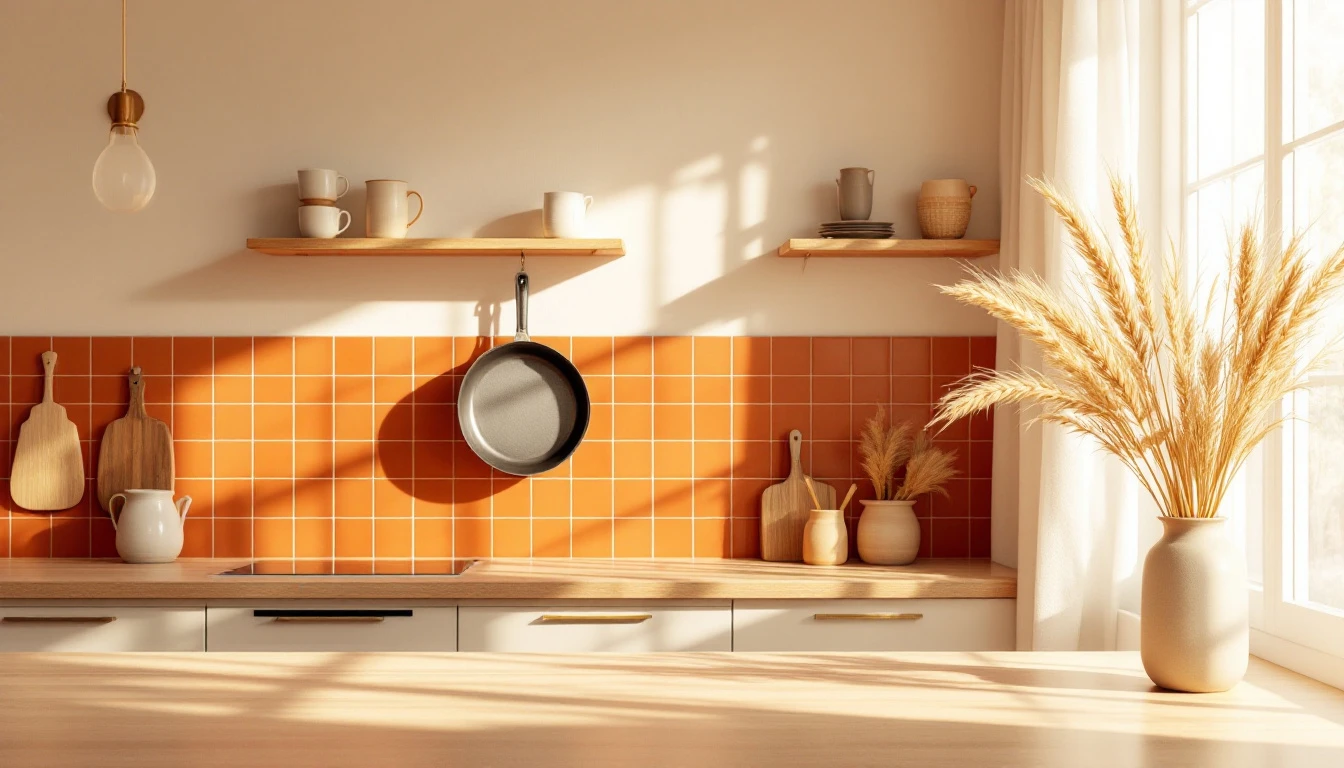
My apartment is 480 square feet. The kitchen is six. I have one cabinet, one drawer, and one square foot of counter that the toaster has aggressively colonized. When friends ask why I cook so much they're being polite. The honest answer is: I cook a lot because I don't have a couch big enough to host them, so they come to eat.
For nine years I used the same nonstick pan. Bought it in college. Replaced it once when the coating started flaking into eggs in a way nobody should be eating. Replaced it again, then started feeling weird about the cycle and was about to do it a third time when an editor friend told me to "just buy a carbon steel pan and stop having this dumb argument with yourself."
I bought one. I'm going to walk you through 60 days with it because the carbon steel internet is full of people in 200-square-foot pantry kitchens or in dream copper-bottom Brooklyn brownstones, and almost nobody who lives in a normal small American apartment with a normal landlord-grade gas burner that runs hot on one side and cold on the other.
What is carbon steel, briefly, for the kitchen-curious
Carbon steel is what professional restaurant kitchens use to do almost everything. It's roughly 99 percent iron and 1 percent carbon, hammered or rolled thin. It heats fast, holds heat well, and over time develops a slick natural coating (called the seasoning) that does the job non-stick pans are coated with chemicals to fake.
You can argue with cast iron lovers all day about which is better. I've used both. Cast iron is gorgeous and you can light a fire under it on a campsite but it weighs eight pounds and needs a forearm I do not have. Carbon steel weighs about half as much and you can lift it with eggs in it without practicing yoga first.
"You can lift it with eggs in it without practicing yoga first."
The pan I actually used
I tested the Cam Cookware French-rolled 10-inch for 60 days. Cam Cookware sponsored this review, which is to say: they sent me the pan and asked me to write what I actually thought after using it. I'm not paid by the click and I told them upfront the review would go up regardless of what I concluded. (See full disclosure at the bottom.)
The four things I tested
- Eggs every morning — the actual test, because eggs are how nonstick wins and how cast iron usually loses.
- Fish, twice a week — skin-on salmon and skin-on branzino. The harder version of the eggs test.
- One steak a week — restaurant-style sear at high heat to see if the pan could really hit and hold restaurant temperature.
- Apartment-burner reality — because my back-right burner runs cold and my front-left runs Vesuvius. Pans either deal with this or they don't.
Week one was bad. That part is true.
I want to be honest about this part because most carbon steel reviews skip it. The first week is a learning curve. The seasoning isn't ready yet. The eggs stick. I made an omelette that was less of an omelette and more of a scrambled-egg crime scene. I almost wrote a bad review on day five.
What changed: I did three rounds of the stovetop seasoning the brand recommends (high heat, thin layer of oil, smoke it off, repeat), and after the third one the surface visibly changed color and the eggs slid. It took me about 45 minutes total of unattended stovetop time spread across two evenings. Slightly annoying. Worth it.
By week three the eggs were sliding around like a hockey puck
And by week five I noticed I'd just stopped reaching for the nonstick at all. The carbon steel was easier. It got hotter faster. The salmon skin came off crispy and intact, every single time, which has literally never happened to me in a normal pan. The steak crust was the kind I'd previously thought you could only get at a restaurant with a $14,000 broiler.
The pan I used
Cam Cookware makes a French-rolled 2.3mm carbon steel pan in 10", 12", and bundle sizes. This is what I used for the 60-day test. Stovetop-seasoning instructions come in the box. If you grab one, mention Niva Living at checkout and Cam will throw in the seasoning kit free.
See the pan at Cam Cookware →The honest list of downsides
I'm not going to lie to you about this pan. Here is what is genuinely worse than nonstick:
- It needs you to learn it. Eggs on day one will frustrate you. Eggs on day twenty will feel like cheating.
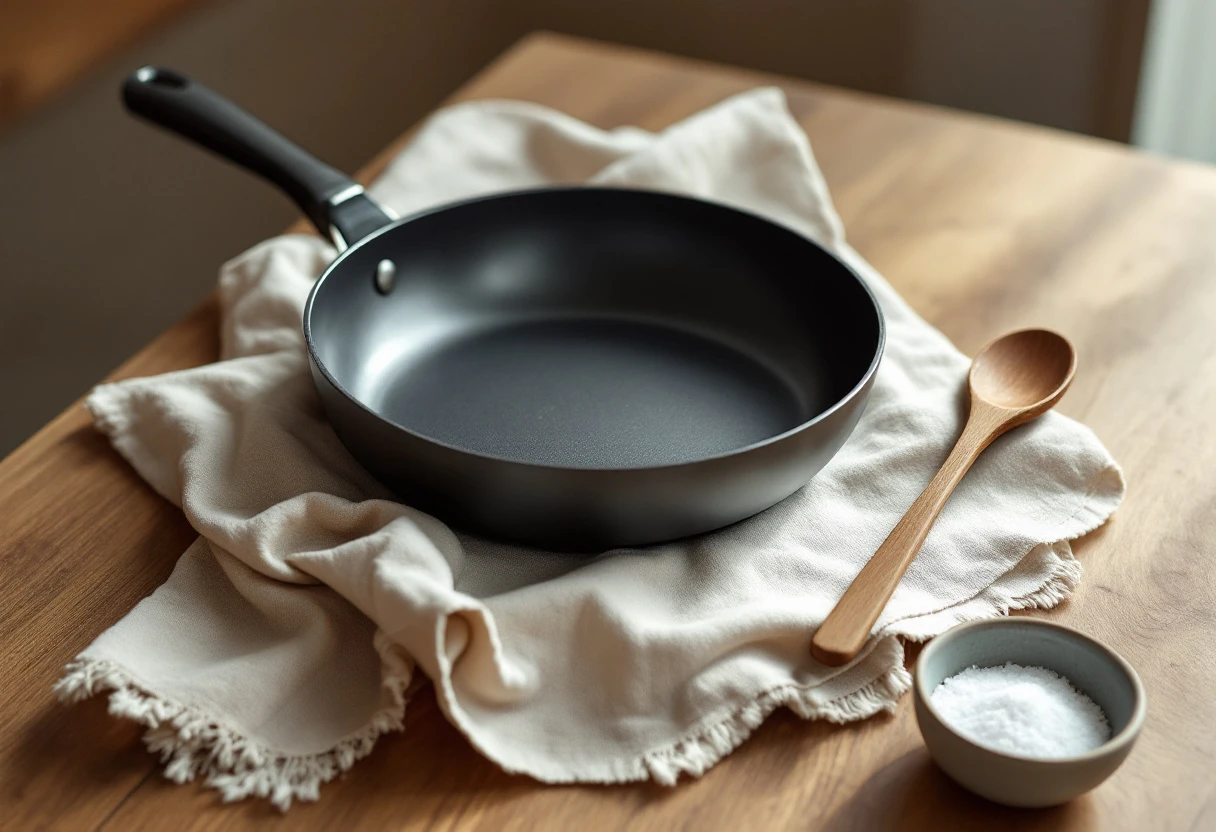
- You can't put it in the dishwasher. You wipe it with a paper towel and a little kosher salt. Takes 15 seconds. Cannot soak overnight in soapy water — it will rust.
- It's heavier than nonstick. Not heavy like cast iron, but heavier than what you're used to if you're coming from cheap pans.
- You will burn yourself once. The handle gets hot. I now have a folded dish towel that lives next to the stove for this purpose. It took burning my palm precisely once to learn this.
And what I genuinely love
- It heats hotter than my old pan and faster. Searing actually sears now.
- It doesn't have a coating to flake. I no longer fish bits of who-knows-what out of breakfast.
- It looks beautiful hanging on a hook. Mine is hung from a second-hand brass hook above my stove and I genuinely smile when I see it.
- The seasoning is permanent if you maintain it. This pan will outlive me, my apartment, and probably any kitchen I'll ever own.
Would I tell my friends to buy one
Yes. With a single caveat: only if you cook two or more times a week. If you reheat takeout four nights and go out the other three, just keep using nonstick and don't feel bad about it. But if you cook for yourself or a partner regularly, this is the one cooking decision you can make this year that will be a tangible upgrade across every single meal.
Sixty days in I am not romantic about it. It is a pan. But it is the best pan I have ever cooked on, and I am cooking on it tonight.